Tashkent and regions
Uzbekistan
Turnkey landing page
from UZS 1,800,000
Development

We design and ship websites and web products that do not look like template agency work and do not break in production.
For companies that need a strong public site, an MVP, or a next product release without development chaos.
Discuss a web projectDirect answer
Web development at SAMSA.AGENCY is the full cycle of building a website or web platform: structure, UX/UI, frontend, backend, analytics, SEO-ready markup and launch. The goal is a stable digital asset that generates leads and can keep growing.
System
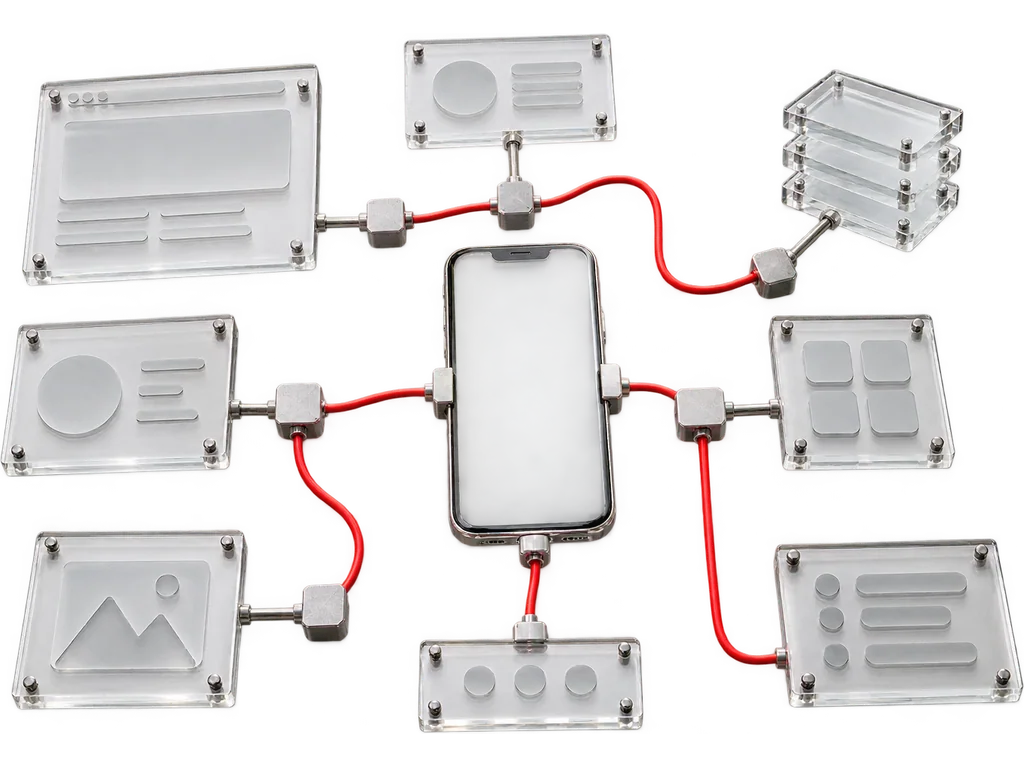
We design pages, components and data as one system. New sections can be added without rebuilding the site, while the key journey stays fast and clear.
Regional rates
Tashkent and regions
Turnkey landing page
from UZS 1,800,000
Moscow and regions
Turnkey landing page
from 45,000 ₽
Minsk and regions
Turnkey landing page
from 1,350 BYN
The exact price is fixed after a short brief. Taxes, platform fees, third-party services and media spend are not included.
How we make decisions
Before development, we define the website role in sales, content ownership and the systems it must exchange data with. This prevents a polished but isolated interface with no analytics, manageable content or clear lead path.
Pages and URLs follow customer problems and search intent, not the company org chart.
Images, fonts, JavaScript and server delivery are product requirements because speed affects conversion and indexation.
Repository, domain, analytics and infrastructure remain manageable, so pages and integrations can grow without a rebuild.
We define the business problem, current constraints, available data and the success criterion before estimating delivery.
We map the solution, integration points and launch sequence so risks and dependencies are visible before expensive implementation.
Delivery moves in short, reviewable iterations. Every stage produces a concrete artifact for approval, not a report about activity.
We verify analytics, forms and real workflows. After launch, improvements enter a backlog ranked by leads, revenue or time saved.
Before delivery starts, we record the baseline and keep metrics from different funnel stages separate. More impressions, clicks or conversations do not automatically mean a business outcome. Every solution therefore has one leading metric, guardrails and a review date, while access, documentation and operating ownership are transferred to the client team.
Page strategy, design, development, integrations, forms and basic analytics.
Yes, we can manage product development, SEO and conversion backlog.
Yes. We often launch a focused first version while keeping the architecture ready for growth.
Tell us what you want to build or improve. We will reply within one business day and discuss the next step.