Tashkent and regions
Uzbekistan
Telegram bot
from UZS 2,250,000
Automation

We automate lead processing, responses, qualification, routing and internal processes — no AI for the sake of AI.
For sales, support and operations teams with too many manual touchpoints and slow customer response.
Discuss AI automationDirect answer
AI automation at SAMSA.AGENCY means adding focused AI workflows to real operations: lead qualification, customer replies, routing, CRM updates, internal assistants and knowledge workflows. We design fallbacks, logs and quality control so automation helps instead of creating operational risk.
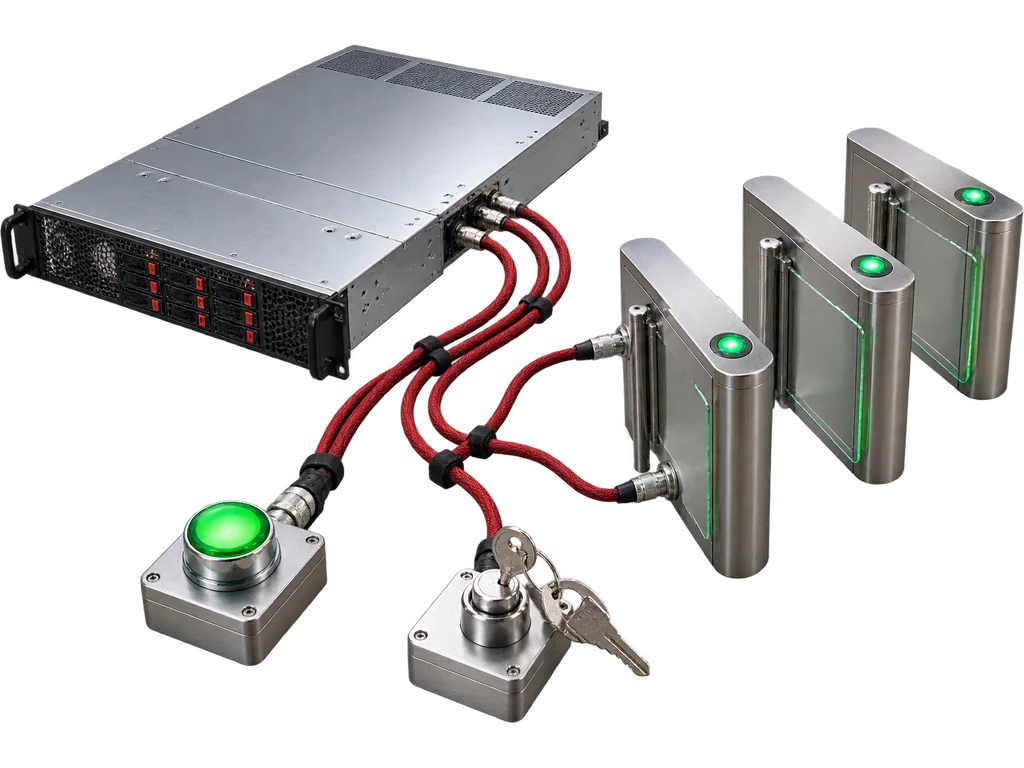
Control
AI handles repeatable work while critical decisions remain reviewable. Logs, roles, limits and human approval are designed into the workflow before launch.
Regional rates
Tashkent and regions
Telegram bot
from UZS 2,250,000
Moscow and regions
Telegram bot
from 45,000 ₽
Minsk and regions
Telegram bot
from 1,350 BYN
The exact price is fixed after a short brief. Taxes, platform fees, third-party services and media spend are not included.
How we make decisions
We introduce AI into a specific process with a known input, output and human handoff. Before building, we estimate repetitive volume, error cost, data availability and the integrations required for real work.
The agent gets defined actions and sources. Low-confidence situations pass to a person with full context.
CRM, Telegram, knowledge sources and internal APIs become one workflow instead of disconnected chats.
Logs, test scenarios, permissions and human approval for critical actions are designed before launch.
We define the business problem, current constraints, available data and the success criterion before estimating delivery.
We map the solution, integration points and launch sequence so risks and dependencies are visible before expensive implementation.
Delivery moves in short, reviewable iterations. Every stage produces a concrete artifact for approval, not a report about activity.
We verify analytics, forms and real workflows. After launch, improvements enter a backlog ranked by leads, revenue or time saved.
Before delivery starts, we record the baseline and keep metrics from different funnel stages separate. More impressions, clicks or conversations do not automatically mean a business outcome. Every solution therefore has one leading metric, guardrails and a review date, while access, documentation and operating ownership are transferred to the client team.
Yes, it is best to launch AI as a narrow pilot with a specific metric.
Yes, including lead forms, routing and internal panels.
We pick the model for the task: OpenAI, Anthropic, local models or a hybrid if cost, speed or privacy matters.
Tell us what you want to build or improve. We will reply within one business day and discuss the next step.